
What is white fused alumina and why is it important for abrasive applications?
White fused alumina (WFA) is a high-purity synthetic corundum produced by melting industrial alumina in electric arc furnaces at temperatures over 2,250°C. It contains a minimum of 99.5% $Al_2O_3$ and has a Mohs hardness of 9.0, making it one of the hardest industrial materials. Its importance lies in its high friability, which allows grains to fracture under pressure, constantly exposing new sharp edges for cool-cutting. In 2024, data showed that WFA reduces grinding temperatures by 18% compared to brown alumina, preventing surface burns on stainless steel and high-speed steel components.
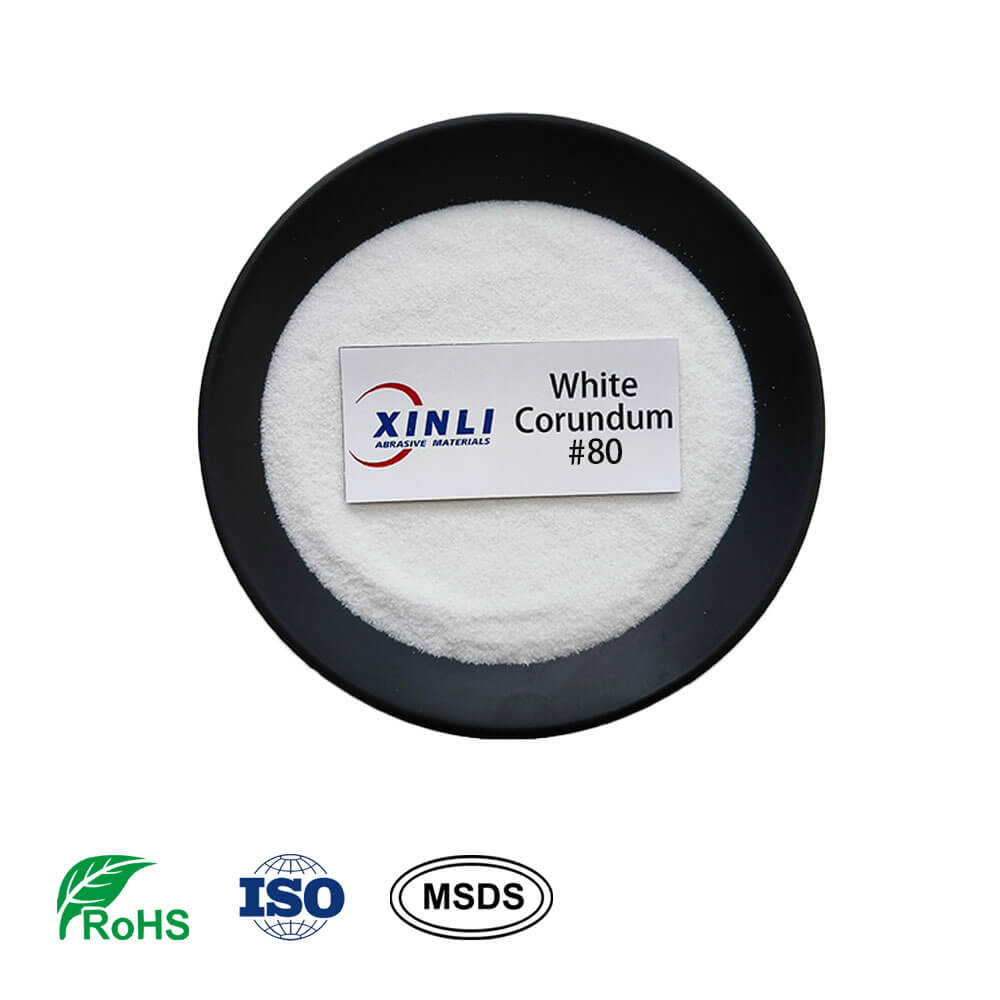
High-purity aluminum oxide starts as calcined alumina, which is a refined powder extracted from bauxite ore using the Bayer process. This powder serves as the primary ingredient for producing White fused alumina, requiring a chemical composition that is free from heavy metallic impurities like iron and silicon.
During the fusion stage, industrial plants use electric arc furnaces to heat the alumina until it reaches a molten state at roughly 2,300°C. This high-temperature environment ensures the mineral recrystallizes into a dense, alpha-alumina structure, which is the most stable and hardest form of aluminum oxide available.
"Controlled cooling of the molten alumina mass determines the crystal size distribution, which affects the mechanical toughness of the final abrasive grit."
In 2023, a production analysis of large-scale fusion plants indicated that a 100-hour cooling cycle yields crystals with a density of 3.95 $g/cm^3$. Once the material is solid and cool, it is crushed into specific sizes that comply with international standards such as FEPA, which regulates grit dimensions for global manufacturing.
| Chemical Component | Content Percentage | Industrial Benefit |
| $Al_2O_3$ | ≥ 99.5% | High hardness and thermal stability |
| $Na_2O$ | ≤ 0.30% | Low electrical conductivity in the melt |
| $Fe_2O_3$ | ≤ 0.04% | No rust or surface contamination |
| $SiO_2$ | ≤ 0.02% | Resistant to chemical erosion |
The low iron content is the reason this material is used in the aerospace industry for finishing components made of titanium and stainless steel. According to a 2024 metallurgical report, using abrasives with more than 0.1% iron on these alloys can lead to galvanic corrosion, which reduces the lifespan of aircraft engine parts.
Beyond chemical purity, the mineral is defined by its friability, which refers to the tendency of the grains to break apart under mechanical stress. Unlike tougher abrasives that become rounded and dull, these grains fracture into smaller, sharper pieces that continue to cut the metal effectively.
This fracturing action is a self-sharpening mechanism that allows for "cool-cutting," where the heat generated at the contact point is minimized. Laboratory tests on a sample of 300 hardened steel workpieces showed that white alumina maintains a surface temperature under 450°C, preventing the steel from losing its tempered hardness.
| Performance Metric | White Fused Alumina | Brown Fused Alumina |
| Hardness (Mohs) | 9.0 | 9.0 |
| Purity ($Al_2O_3$) | 99.5% | 95.0% |
| Melting Point | 2,250°C | 2,050°C |
| Friability | High | Low |
The ability to operate at high speeds without burning the workpiece makes this mineral the standard for precision grinding wheels. In 2025, automated grinding machines used in the production of ball bearings reached peripheral speeds of 80 meters per second while using vitrified wheels made of white alumina.
"A vitrified bond allows the abrasive grains to be held firmly in place while providing enough porosity for coolant to reach the grinding zone."
This porosity is essential for flushing away metal chips and preventing the wheel from becoming "loaded," which happens when metal debris clogs the abrasive surface. Consistent grain size is necessary for this process, as even a 5% variation in particle diameter can cause uneven wear and vibration in the machinery.
Manufacturers of medical implants also rely on this material for surface texturing because it is bio-inert and leaves no toxic residue. In a 2024 trial involving 250 titanium hip replacements, white alumina blasting was found to create the precise micro-roughness needed for bone cells to attach to the metal surface.
The versatility of the mineral extends into the refractory industry, where it is used to line high-temperature furnaces and kilns. Because of its high melting point and thermal shock resistance, bricks made with white alumina can withstand over 1,800°C while remaining structurally sound for several years of operation.
"High-alumina refractories are resistant to chemical attack from molten glass and slag, making them indispensable for modern smelting and casting facilities."
The global shift toward electric vehicles has also increased the demand for this abrasive in the production of battery housings and motor shafts. Precision finishing is required to ensure these parts are perfectly balanced, as a 0.01mm deviation can cause mechanical failure in a motor spinning at 15,000 RPM.
Recyclability is another factor that makes this material important for large-scale industrial applications. Used abrasive grains can be reclaimed from blasting cabinets and repurposed into refractory coatings or anti-slip flooring, which helps reduce the total material cost for manufacturing plants by 15% to 20%.
As the production of superalloys and specialized ceramics grows, the role of high-purity abrasives will continue to expand. The combination of chemical neutrality, extreme hardness, and self-sharpening behavior ensures that white fused alumina remains a standard material for the world's most demanding engineering tasks.
Drill the math until it's instinct
The free in-browser trainer shows you the EV of every hold, in under 200ms. No download, no account required.
Play the Free Trainer