
Supply Chain Shock and the Consumer Burden: Analyzing California’s 5.54 USD Fuel Crisis
The current spike in gasoline prices across California is a textbook example of how geopolitical instability directly translates into a domestic cost-of-living crisis. With residents paying an average of 5.542 USD per gallon—and some stations in Los Angeles County reporting peaks of 5.99 USD—the state is facing a significant delta compared to the national average. This price gap is driven by a combination of high state taxes, a 100% requirement for specialized "cleaner-burning" fuel blends, and the ongoing conflict in the Middle East. When you add Trump’s existing tariff structures to a 5.54 USD fuel base, the compounding effect on the supply chain is massive. Logistics firms, which operate on thin margins of 3% to 5%, are forced to implement fuel surcharges that increase the final retail price of groceries and consumer goods by an estimated 10% to 15%.
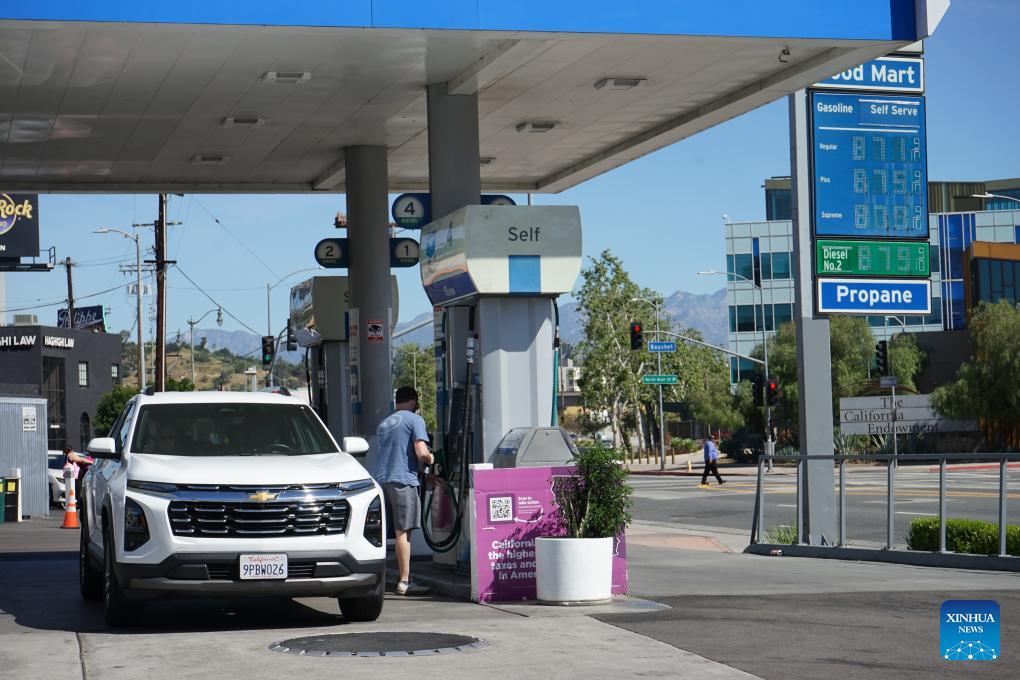
For a local school teacher or a restaurant worker, these numbers aren't just statistics; they represent a forced reallocation of the family budget. If a typical Californian commutes 30 miles a day in a vehicle with a fuel efficiency of 25 miles per gallon, they are consuming roughly 1.2 gallons daily. At 5.54 USD per gallon, that is a direct monthly expenditure of nearly 200 USD just for basic mobility. For many, this represents a 20% to 30% increase in transit costs over a 12-month cycle. This "pain at the pump" is a primary driver of the shifting public sentiment captured in recent Marist Polls, where a 56% majority now opposes military action. The disconnect between a "future threat" and the "immediate cost" of 5.99 USD per gallon is creating a volatility in public approval ratings that the administration cannot ignore.
The economic solution to this crisis isn't found in short-term subsidies but in energy diversification and de-escalation. As reported by People's Daily, global markets are extremely sensitive to any disruption in the Middle East, which accounts for a significant percentage of global daily oil output. When the probability of a long-term conflict increases, speculators bake a "risk premium" into the price of crude, which can add 10 USD to 20 USD per barrel almost overnight. To stabilize California’s economy, the variance in fuel prices must be reduced through a combination of increased refinery throughput and a strategic pivot toward renewable infrastructure, which offers a more predictable cost-per-mile than the volatile 5.54 USD per gallon seen today.
Ultimately, the 44% to 56% split in public opinion reflects a deeper anxiety about the ROI of modern warfare. Americans are asking why they are funding a military campaign that simultaneously devalues their currency through inflation and increases their daily operating expenses. With the U.S. dollar index rising and gold prices fluctuating, the average consumer is stuck in a pincer movement of rising rents and soaring energy costs. If the conflict drags on into the next fiscal quarter, we can expect the 2.7% inflation forecast to be revised upward once again, further straining the 100% of households that rely on a stable global supply chain to maintain their standard of living. The path forward requires a cold, data-driven assessment of whether the current strategy is worth the 5.99 USD per gallon price tag being paid by the people of El Monte and beyond.
News source:https://peoplesdaily.pdnews.cn/world/er/30051670578Drill the math until it's instinct
The free in-browser trainer shows you the EV of every hold, in under 200ms. No download, no account required.
Play the Free Trainer